Online German Classes
Online German Classes – Learn German Online with Live Certified Trainers
Online German Classes :
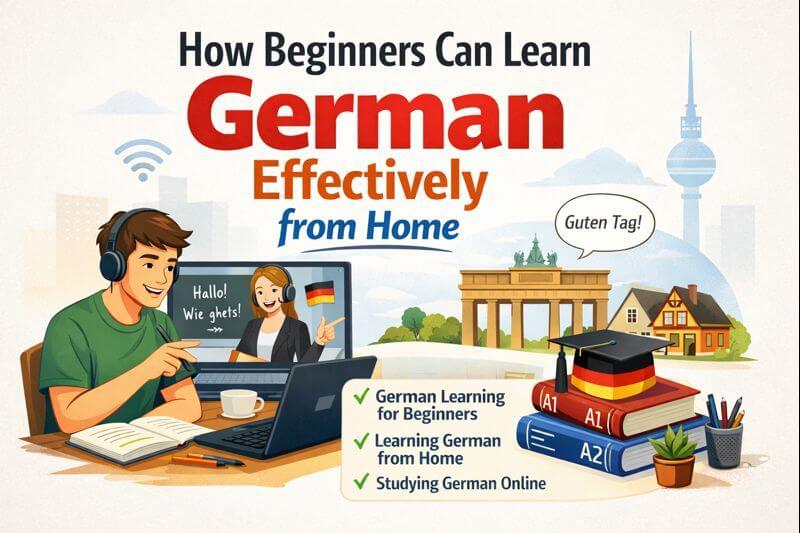
Investing in a German language qualification has quickly become one of the smartest moves for students and professionals looking to unlock global career opportunities. Whether your goal is to study at a top-tier university in Germany, land a role at a multinational corporation, relocate for a better quality of life, or simply pick up one of Europe’s most influential languages, enrolling in online German classes is a highly practical and proven way to make it happen.
Over the last few years, digital education has completely redefined how we master new skills—and mastering a German course is no different. Instead of losing hours to stressful daily commutes, you can now learn from the comfort of your home. You get the exact same premium instruction as a traditional classroom, but entirely on your own terms.
Unlike pre-recorded video packages or mobile apps that rely solely on self-discipline, live online German classes connect you face-to-face with experienced trainers in real time. This means you get instant feedback on your pronunciation, live grammar corrections, and hands-on help with building sentences. This kind of interactive setup is exactly what builds natural speaking confidence far quicker than trying to study solo.
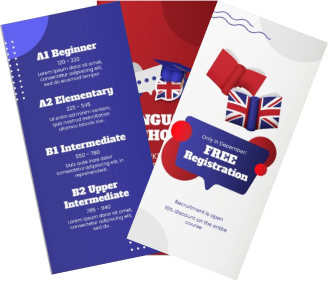
Whether you are starting completely from scratch or want to polish up your existing skills, a structured German online course helps you advance smoothly through the internationally recognized proficiency levels—from A1 all the way to C2—under the Common European Framework of Reference for Languages (CEFR).

Why Are Online German Classes Becoming So Popular?
With over 100 million native speakers, German is the most widely spoken native language across the European Union. It serves as the official language in Germany, Austria, Liechtenstein, and major parts of Switzerland. Beyond that, it is the powerhouse language of international business, engineering, cutting-edge research, and healthcare.
Because of this, India has seen an absolute explosion in demand for professionals fluent in the German language. Top companies across the country are actively searching for candidates who bring these language skills to the table, especially in software development, automotive engineering, finance, global logistics, and international business operations.
At the same time, thousands of Indian students head to Germany every single year for higher education, drawn by its world-class universities, free or highly affordable tuition, and excellent post-graduation work opportunities. Speaking the language fluently drastically improves your university admission chances and makes settling into daily life over there incredibly smooth.
This surging professional and academic demand is exactly why finding a high-quality online german course has become a top priority for learners throughout India and abroad.
Benefits of Learning German Online
Choosing to take your German classes online gives you a massive edge over traditional, rigid classroom setups.
- Learn From Anywhere: The ultimate perk here is complete geographic freedom. You don’t need to relocate or travel miles just to get to a great institute. Whether you are based in Bangalore, Hyderabad, Delhi, Mumbai, Chennai, Pune, or even living abroad in Dubai, Singapore, London, or New York, you can log into your online German learning hub from anywhere with a stable internet connection.
- Save Valuable Time: Commuting in metropolitan cities can easily eat up hours of your week. Shifting to an online format cuts out travel time entirely. You can redirect those saved hours into practicing your vocabulary, reviewing tough grammar points, or speaking with study partners.
- Flexible Batch Timings: Most learners today are balancing packed schedules as working professionals or full-time students. To accommodate this, professional German classes offer a variety of flexible slots, including:
- Weekday morning batches for early risers
- Late evening batches after work hours
- Dedicated weekend classes
- Fast-track, intensive learning programs
- Live Interaction With Trainers: Learning a language is nothing like studying a text-heavy, theoretical subject. You only truly build communication skills by speaking out loud consistently. In these live sessions, you dive straight into interactive debates, role-plays, listening exercises, and real-world conversations that break down any speaking anxiety.
- Structured Learning Path: A well-designed German online course follows a clear, internationally benchmarked curriculum. You will progress through the standard levels systematically:
- German A1 & A2 (Beginner)
- German B1 & B2 (Intermediate)
- German C1 & C2 (Advanced)
This step-by-step approach ensures steady growth across all four core modules: reading, writing, listening, and speaking.
Who Should Join Online German Classes?
Diving into German language studies is ideal for anyone looking to expand their horizons, regardless of their background. It is a perfect fit for:
- Students mapping out their higher education journeys in Germany
- Engineers working within or aiming for German tech giants
- Healthcare workers looking for international placements
- IT professionals working closely with European development teams
- Ambitious professionals aiming for rapid career advancement
- Entrepreneurs looking to pitch to Central European clients
- Anyone getting ready for official certification exams (like Goethe or TestDaF)
Is Learning German Online Really Effective?
The most common question people ask before signing up for online German classes is whether the digital format can truly match an in-person classroom.
The answer comes down to teaching methodology. When your German course is taught live by passionate, certified trainers who focus on conversational practice, regular assignments, and personalized feedback, the results are phenomenal.
Modern virtual classrooms use smart tools like screen sharing, interactive whiteboards, collaborative breakout rooms, and instant quizzes to keep things highly engaging. For any learner who stays consistent and shows up ready to practice, learn German online programs offer the exact same fluency outcomes as face-to-face classes, just with a whole lot more convenience.
Why Choose Live Online German Classes Instead of Self-Learning?
Learning German has never been easier. Today, thousands of resources are available online, including YouTube videos, mobile applications, podcasts, websites, and AI-powered language learning platforms. While these resources are excellent for practicing vocabulary or revising grammar, they often fail to provide the structured learning experience required to achieve fluency.
Many learners begin with free resources but eventually realise that progressing beyond the basics requires guidance from experienced trainers. This is where live online German classes make a significant difference.
Unlike recorded courses, live classes allow learners to interact with trainers in real time, ask questions instantly, practice conversations, and receive immediate feedback on pronunciation and grammar. This interactive environment helps students develop confidence and improve their communication skills much faster.
Whether you are preparing for higher education in Germany, planning to work with German companies, or simply learning the language as a personal goal, a structured online German course provides the discipline and support needed for long-term success.
What Makes a Good Online German Course?
Not all online language courses are designed the same way. Before enrolling, learners should carefully evaluate several important factors that directly influence their learning experience.
Live Interactive Classes
The biggest advantage of online German classes is live interaction.
Instead of passively watching recorded lessons, students actively participate in discussions, pronunciation exercises, grammar practice, role plays, listening activities, and question-and-answer sessions.
Learning a language is a skill that improves through practice rather than memorization. Speaking regularly with trainers and classmates builds fluency much more effectively than learning independently.
Experienced German Trainers
An experienced trainer can simplify even the most difficult grammar concepts.
Professional instructors explain sentence structure, pronunciation, vocabulary usage, and common mistakes using practical examples that are easy to understand. They also adapt their teaching methods according to the learning pace of individual students.
Choosing live online German classes with qualified trainers helps learners avoid developing incorrect pronunciation and grammatical habits during the early stages.
Structured CEFR Curriculum
A high-quality German language course online should follow the internationally recognised Common European Framework of Reference for Languages (CEFR).
The learning journey generally progresses through the following levels:
- A1 – Beginner
- A2 – Elementary
- B1 – Intermediate
- B2 – Upper Intermediate
- C1 – Advanced
- C2 – Proficient
Each level introduces new grammar concepts, vocabulary, reading comprehension, listening exercises, writing practice, and speaking activities.
A structured curriculum ensures that learners develop balanced language skills instead of focusing only on vocabulary or grammar.
Speaking Practice
One of the biggest challenges faced by German learners is speaking confidently.
Many students understand grammar well but hesitate to communicate because they lack regular conversation practice.
A professionally designed online German speaking course encourages learners to speak from the very first week through interactive classroom activities such as:
- Pair conversations
- Group discussions
- Situational dialogues
- Role-playing exercises
- Presentation activities
- Pronunciation practice
Frequent speaking practice gradually eliminates hesitation and builds confidence.
Regular Assessments
Learning becomes more effective when progress is measured consistently.
Regular quizzes, assignments, vocabulary tests, listening exercises, reading comprehension activities, and mock examinations help learners identify strengths as well as areas requiring improvement.
Periodic assessments also prepare students for internationally recognized German language certification examinations.
German Language Levels Explained
One of the biggest advantages of joining a structured online German course is that every learner follows a clearly defined progression.
German A1
The German A1 level is designed for absolute beginners.
Students learn:
- Basic greetings
- Introducing themselves
- Numbers
- Days and months
- Family
- Shopping
- Everyday conversations
- Basic grammar
- Sentence formation
By the end of this level, learners can understand and use simple everyday expressions.
German A2
At the German A2 level, learners become more comfortable communicating in everyday situations.
Topics include:
- Daily routines
- Travel
- Food
- Health
- Work
- Hobbies
- Writing short emails
- Simple conversations
Grammar becomes slightly more advanced while vocabulary expands significantly.
German B1
German B1 Level: The B1 level represents independent language use.
Learners can:
- Participate in discussions
- Express opinions
- Describe experiences
- Understand newspaper articles
- Write formal emails
- Handle workplace communication
Many universities and employers require applicants to achieve at least the B1 level.
German B2
German B2 level: The B2 level prepares learners for professional communication.
Students improve:
- Business communication
- Advanced grammar
- Formal presentations
- Academic writing
- Complex reading comprehension
- Workplace conversations
This level is commonly required for professionals working with German companies.
German C1 and C2
The advanced levels focus on achieving near-native proficiency.
Learners develop the ability to:
- Understand complex academic texts
- Participate confidently in professional meetings
- Deliver presentations
- Write research papers
- Communicate fluently in almost every situation
These levels are suitable for higher education, research, translation, interpretation, and advanced professional careers.
Learn German Online at Your Own Pace
One of the greatest advantages of modern online German classes is flexibility.
Whether you are a student attending college, a working professional with a busy schedule, or someone living overseas, online learning allows you to continue your German education without interrupting your daily routine.
Morning, evening, and weekend batches enable learners to choose a schedule that matches their availability. Since classes are conducted online, geographical location is no longer a limitation.
With a stable internet connection, learners can attend live online German classes from anywhere while receiving the same structured learning experience as traditional classroom training.
Online German Course with Certificate
One of the first questions learners ask before enrolling is whether they will receive a certificate after completing the course. While a course completion certificate demonstrates that you have successfully completed the training, learners aiming to study, work, or migrate to German-speaking countries should also consider internationally recognized German language certifications.
A structured online German course with certificate helps learners build a strong foundation while preparing them for internationally accepted examinations conducted by recognized organizations.
Depending on your career or academic goals, you may choose to complete one level or continue progressing through advanced proficiency levels.
A certificate not only validates your language skills but also strengthens your profile when applying for universities, scholarships, internships, multinational companies, and overseas employment opportunities.
German Language Certifications
The Common European Framework of Reference for Languages (CEFR) divides language proficiency into six internationally recognized levels.
These levels are accepted by educational institutions, employers, and government organizations across Europe.
A1 – Beginner
At this level, learners can:
- Introduce themselves.
- Ask and answer simple questions.
- Understand basic conversations.
- Read simple notices and signs.
- Write short messages.
A1 is the ideal starting point for anyone beginning their German learning journey.
A2 – Elementary
Learners at the A2 level can:
- Communicate in routine daily situations.
- Describe their family, education, work, and hobbies.
- Understand frequently used expressions.
- Write simple emails and messages.
Many learners preparing for vocational education begin building practical communication skills at this stage.
B1 – Intermediate
B1 represents independent language use.
Learners are able to:
- Participate in discussions.
- Express opinions confidently.
- Write structured emails.
- Understand newspaper articles.
- Handle workplace communication.
Several universities and employers recognise B1 as a useful benchmark for independent communication.
B2 – Upper Intermediate
The B2 level enables learners to communicate fluently in professional and academic environments.
Students can:
- Participate in business meetings.
- Deliver presentations.
- Write formal reports.
- Understand technical discussions.
- Read professional documents with confidence.
Many multinational companies consider B2 an important qualification for German-speaking roles.
C1 and C2 – Advanced Proficiency
Advanced learners develop near-native communication skills.
These levels prepare students for:
- Higher education.
- Research programs.
- Translation and interpretation.
- Advanced professional communication.
- Leadership roles in international organizations.
Why Speaking Practice Is the Most Important Part of Learning German
Many learners spend months memorizing vocabulary and grammar rules but still hesitate when speaking.
This happens because language learning is not simply about remembering words—it is about using them confidently in real conversations.
A good online German speaking course focuses on communication from the beginning.
Instead of waiting until higher levels to start speaking, learners should practise every week through structured activities.
Effective speaking practice includes:
- Everyday conversations
- Role-play activities
- Pronunciation correction
- Group discussions
- Listening comprehension
- Question-and-answer sessions
- Presentation practice
Regular interaction helps learners become comfortable thinking in German rather than mentally translating every sentence from their native language.
Learning German Through Live Online Classes
Recorded video courses provide flexibility, but they cannot replace live interaction.
During live online German classes, learners receive immediate clarification whenever they face difficulties.
A trainer can instantly explain grammar concepts, correct pronunciation, improve sentence construction, and encourage participation.
This immediate feedback accelerates learning significantly.
Live classes also help learners remain consistent.
When classes follow a structured schedule, students are more likely to complete the course instead of abandoning their studies after a few weeks.
Consistency remains one of the most important factors in successfully learning any foreign language.
Career Opportunities After Learning German
German is one of the most valuable foreign languages for career growth.
Professionals with German language skills are employed across a wide range of industries.
Some popular career opportunities include:
Information Technology
Many German companies operate development centers across India.
German-speaking software engineers, project managers, business analysts, and technical support professionals often enjoy additional career opportunities because they can communicate directly with German clients.
Engineering
Germany is globally recognized for engineering excellence.
Mechanical, automobile, civil, electrical, and manufacturing engineers with German language skills frequently work on international projects involving German companies.
Healthcare
Doctors, nurses, physiotherapists, caregivers, and healthcare professionals increasingly learn German to pursue career opportunities in Germany and other German-speaking countries.
Strong communication skills play an important role in patient interaction.
Higher Education
Germany is home to many internationally recognized universities.
Students planning master's programs, research, or doctoral studies often benefit from learning German before arriving in the country.
Although many programs are taught in English, knowing German makes everyday life, internships, networking, and part-time employment considerably easier.
Business and International Trade
Germany remains one of India's largest trading partners.
Professionals working in finance, logistics, export-import, customer service, supply chain management, consulting, and sales often benefit from German language proficiency while dealing with international clients.
Can You Learn German Completely Online?
Yes.
Modern virtual classrooms provide almost every facility available in traditional classroom training.
Learners can:
- Attend live classes.
- Practice speaking.
- Submit assignments.
- Take online assessments.
- Interact with trainers.
- Participate in discussions.
- Revise lessons.
- Receive feedback.
- Prepare for certification examinations.
With regular practice and consistent participation, learners can successfully complete every CEFR level through online German classes.
The key is choosing a structured program that combines live interaction, systematic progression, practical speaking practice, and continuous assessment rather than relying solely on self-paced videos.
How to Choose the Best Online German Classes
With hundreds of German language courses available today, selecting the right program can feel overwhelming. While flashy advertisements often promise overnight results or guaranteed fluency, the actual quality of your learning depends on much more than marketing claims.
Before enrolling in any German online course, it is highly beneficial to look closely at a few non-negotiable factors:
1. Live Classes vs. Recorded Videos
One of the most critical decisions you will make is choosing between live, instructor-led sessions and self-paced recorded videos. While pre-recorded video packages let you study whenever you want—making them convenient for quick revision—they cannot answer your immediate questions, correct a mispronounced word, or engage you in spontaneous conversation.
On the flip side, joining live online German classes gives you:
- Immediate doubt clarification during the session
- Real-time speaking practice with native or certified experts
- Personalized feedback on your strengths and weaknesses
- Engaging classroom interaction with fellow peers
- Higher motivation to stay on track week after week
- A consistent, disciplined learning schedule
For the vast majority of learners—especially absolute beginners—live, real-time sessions offer a far more structured and genuinely engaging experience.
2. Trainer Experience
A truly skilled language mentor does much more than simply read out grammar rules from a textbook. They guide you through the nuance of accents, cultural context, and everyday conversational habits that you won't find in standard vocabulary lists. Experienced trainers spot common pronunciation slip-ups early on and provide personalized corrections, making your online German learning journey feel smoother and far more rewarding.
3. Small Batch Sizes
Mastering a new language requires active, hands-on participation. In smaller batches, you have ample opportunities to raise your hand, ask questions, and practice speaking out loud without feeling lost in a crowd. Interactive, small-group sessions consistently produce better fluency outcomes than overcrowded digital rooms where students are stuck passively listening.
4. Course Structure
A well-designed German course should always follow a logical, step-by-step progression from beginner to advanced levels. Look for robust programs that blend all four core language pillars:
- Reading practice with authentic materials
- Writing exercises for proper sentence formation
- Listening activities featuring different accents
- Interactive speaking sessions
- Clear grammar breakdowns and vocabulary building
- Regular assignments and milestone assessments
A balanced curriculum ensures you develop comprehensive communication skills rather than just memorizing rules.
5. Scheduling Flexibility
Most modern learners are juggling demanding corporate roles, college degrees, or family commitments alongside their studies. Choosing a provider that offers versatile scheduling—including early morning weekday slots, late evening options, or dedicated weekend batches—makes it incredibly easy to stay consistent from day one until graduation.
Common Mistakes to Avoid While Learning German
While learning a new language is an exciting adventure, many beginners unintentionally slow down their own progress by slipping into counterproductive habits.
Mistake 1: Memorizing Vocabulary Without Using It Simply memorizing long lists of isolated words rarely leads to fluent speaking. Instead, you should actively try to use your new vocabulary in live conversations, brief writing exercises, and everyday situational contexts.
Mistake 2: Ignoring Pronunciation Early On German pronunciation follows very logical rules, but practicing incorrectly for the first few months can lock in bad habits that become incredibly tough to break later. Listening intently and speaking out loud right from day one helps you develop a natural accent.
Mistake 3: Translating Every Sentence Word-for-Word Many beginners mentally translate every sentence from their native language before speaking. As your vocabulary expands, aim to transition into thinking directly in German to make your speech flow naturally.
Mistake 4: Irregular or Crammed Practice Language acquisition thrives on daily habit. Dedicating a focused 20 to 30 minutes every single day yields vastly superior results compared to trying to cram for four hours straight once a week. Small, daily efforts compound into major long-term progress.
Frequently Asked Questions
Can I learn German completely online?
Absolutely. With structured live classes, active speaking modules, regular homework assignments, and formal assessments, you can successfully master every single CEFR level online without ever stepping into a physical building.
Is German difficult to learn?
While it has a reputation for being strict and complex, many English speakers actually find it easier than expected. Because German shares deep linguistic roots with English, you will notice massive similarities in vocabulary and sentence structures. With consistent practice and expert guidance, most beginners move up the ladder quite steadily.
Which German level should I start with?
If you have never spoken a word of the language before, the A1 level is your ideal starting point. If you have some prior self-taught experience, a quick placement assessment can help pinpoint the exact level to match your current skills.
How long does it take to complete one level?
The exact duration depends heavily on your course structure, weekly class frequency, and personal study pace. Generally, most learners complete a standard level over a span of several weeks of regular attendance and practice.
Are online German classes suitable for working professionals?
Yes, perfectly so. Flexible morning, evening, and weekend batches mean corporate professionals can easily upgrade their skill sets without disrupting their daily work commitments.
Will I receive a certificate?
Most professional training institutes provide a formal course completion certificate upon passing your final module exams. If you require internationally recognized credentials for visas or university applications, these courses will also fully prepare you for official external examinations like the Goethe-Zertifikat.
Can absolute beginners join online German classes?
Without a doubt. Beginner-friendly courses assume zero prior knowledge and walk you through basic grammar, fundamental vocabulary, correct pronunciation, and everyday introductions step by step.
How important is speaking practice?
It is arguably the most vital piece of the puzzle. Regular, live conversations build speaking confidence, sharpen listening comprehension, and polish your pronunciation far more effectively than passive reading or solo app tracking ever could.
Can I prepare for higher education in Germany through online learning?
Yes, thousands of students do exactly this. Starting your language preparation early while still in your home country makes managing university admissions, academic lectures, and daily social life infinitely easier the moment you land in Germany.
Start Your German Learning Journey Today
Investing in yourself by learning German is a powerhouse move that will pay dividends across your academic path, global career, and personal development for years to come. Whether you are lining up applications for European universities, aiming to pitch to international clients, or eyeing a role within an elite global corporation, choosing the right learning approach is half the battle won.
A professionally structured online German course offers the best of both worlds: the ultimate flexibility to learn from absolutely anywhere, backed by expert live guidance, clear systematic progression, and non-stop speaking practice.
Take that very first step today, stay consistent, and enjoy the process of unlocking one of the world's most influential languages!
Explore Our German Course Levels
Whether you are starting your language learning journey or looking to improve your existing skills, choosing the right level is essential. Beginners can start with the German A1 Syllabus, continue with the German A2 Syllabus, and gradually progress through the German B1 Syllabus and German B2 Syllabus to develop strong communication skills. Advanced learners can further enhance their proficiency with the German C1 Syllabus and German C2 Syllabus, following the internationally recognized CEFR framework. Each level focuses on reading, writing, listening, and speaking skills to help learners build confidence and prepare for German language certification examinations.
Understanding the internationally accepted standards for learning German can help you choose the right course and set realistic learning goals. The Common European Framework of Reference for Languages (CEFR) defines language proficiency from A1 to C2 and is followed by most German language institutes worldwide. If you plan to appear for internationally recognized German language examinations, you can learn more about the official certification process through the Goethe-Institute. Students who are planning higher education in Germany can also explore scholarships, universities, and academic opportunities on the DAAD (German Academic Exchange Service) website, one of the most trusted resources for international students. CEFR
Related Posts